
This is one of the most common tire questions we hear at our shop, and the honest answer is not as simple as yes or no. Sometimes you absolutely can replace just one tire. Other times, replacing one tire is a bad idea and may create more problems than it solves. The right answer depends on your vehicle, how much tread is left on the other tires, whether the car is front wheel drive, rear wheel drive, or all wheel drive, and how evenly the current tires have been wearing.
A lot of drivers hope the answer is always one tire because that usually sounds cheaper and easier in the moment. We understand that. But tires work as a set more than people realize. Differences in tread depth, traction, and overall tire condition can affect how the vehicle handles, brakes, and in some cases how the drivetrain itself wears over time.
At our shop, we always tell people the same thing. The goal is not just to get a tire back on the car. The goal is to make sure the vehicle is safe, balanced, and not being set up for premature wear somewhere else.
Sometimes You Can Replace Just One Tire
Let’s start with the good news. Yes, there are situations where replacing just one tire is completely reasonable.
If the damaged tire was fairly new, the other tires are in good shape, and the tread depth difference is very small, replacing one may be all you need. This is especially true if the tires were installed recently and still have almost all of their usable life left.
For example, if you pick up a nail in one tire shortly after buying a full set, and that one tire cannot be repaired, replacing only that tire may make perfect sense. The rest of the set is still close enough in tread depth and performance that the vehicle is not likely to care much.
That kind of situation is where one tire replacement is most likely to work well.
Tread Depth Is What Really Drives The Decision
The biggest factor in this conversation is not the number of tires you want to replace. It is the difference in tread depth between the new tire and the ones already on the car.
A brand new tire has deeper tread than a used tire. If the other three tires are already significantly worn, putting one brand new tire next to them creates an imbalance. That imbalance may affect traction, handling, braking, and the way the vehicle responds in wet conditions.
At our shop, this is what we are measuring and thinking about first. If the remaining tires are only slightly worn, one tire may be fine. If they are much more worn, one tire becomes harder to justify.
Front Wheel Drive And Rear Wheel Drive Often Give You More Flexibility
Vehicles with front wheel drive or rear wheel drive usually offer a little more flexibility than all wheel drive vehicles. That does not mean anything goes, but it does mean you can sometimes replace one tire or two tires without creating the same level of drivetrain concern you would have on an all wheel drive system.
Even then, matching matters. We still want the replacement tire to be the correct size, load rating, and ideally the same brand and model as the others whenever possible. And if the remaining tire on the same axle is already worn down quite a bit, replacing in pairs often becomes the better move.
From our perspective, even when the car technically can accept one tire, the question is still whether that is the smartest choice for balance and performance.
All Wheel Drive Changes The Conversation Fast
All wheel drive vehicles are where this decision becomes much more serious. AWD systems are often more sensitive to differences in tire circumference, and tread depth affects circumference. If one tire is significantly newer than the others, the system may see that difference as a constant variation in wheel speed.
Over time, that can put extra stress on drivetrain components. In some vehicles, the tolerance for tread depth differences is fairly small. That is why AWD owners often hear stricter advice about tire replacement.
At our shop, we take this seriously because the cost of getting it wrong can be much higher than the price of a tire. Saving money on replacing one tire does not feel like much of a win if it contributes to expensive drivetrain problems later.
Sometimes Replacing Two Tires Is The Best Middle Ground
A lot of tire decisions land in the middle. It may not be necessary to replace all four, but replacing just one may not be ideal either. In that case, replacing two tires on the same axle often becomes the best compromise.
This usually makes sense when one tire is damaged and the tire on the same axle has enough wear that the pair is no longer close enough to a brand new tire. Replacing both helps keep the vehicle more balanced side to side and often creates a much better outcome than forcing one new tire to work next to one much older tire.
Replacing All Four Sometimes Really Is The Smart Answer
Nobody loves hearing that all four tires should be replaced, but sometimes it is honestly the right call. If the current set is already fairly worn, if the tread depths are low across the board, or if the tires are aging out together, replacing one or two may only delay the inevitable while leaving the vehicle with mixed performance.
A full set often makes the most sense when:
- The other tires are already significantly worn
- Tread depth is low across multiple tires
- The vehicle is all wheel drive and the difference would be too great
- The existing tires are old enough that replacing one would not be a good long term value
- Wear patterns are already uneven across the set
At our shop, we are not interested in pushing four tires when one would truly do. But when the set is already near the end, replacing all four is often the safer and smarter long term move.
Matching The Tire Matters Too
Even if you are only replacing one tire, it should match the others as closely as possible. Same size is the bare minimum. Ideally, you also want the same brand and tread pattern. Different tire designs can behave differently in wet weather, cornering, braking, and ride feel.
Mixing tire types is one of the easiest ways to make a vehicle feel inconsistent, even if the tread depth difference does not seem extreme. We usually try to match the replacement tire to what is already on the car whenever we reasonably can.
Tire Wear Patterns Can Change The Answer
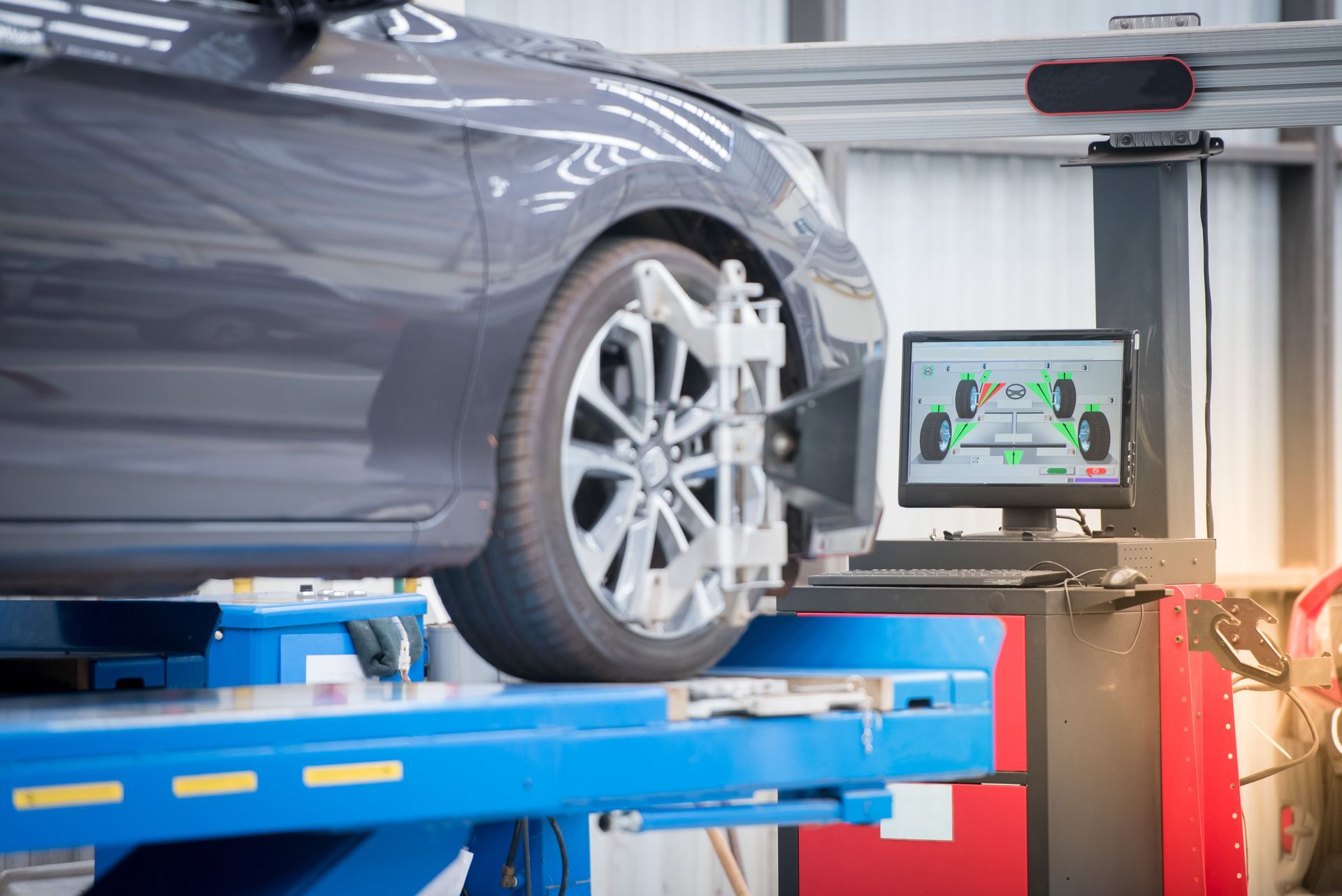
One more thing that matters is how the current tires have been wearing. If the damaged tire is on a set that has been wearing unevenly because of alignment or suspension issues, then simply replacing one tire may not solve much. The new tire may start wearing oddly too unless the underlying issue is corrected.
This is one reason we do not like looking at tire replacement as only a tire question. Sometimes the tread is telling us something bigger about the vehicle.
The Cheapest Option Is Not Always The Best Value
We understand why people want to replace the fewest tires possible. Tires are not a fun expense, and most drivers do not want to buy more than they truly need. But the cheapest answer today is not always the best value over time. If replacing one tire creates imbalance, shortens the life of the other tires, affects the way the car drives, or causes extra strain on the drivetrain, then it may not really save money in the end.
The Right Answer Depends On The Whole Vehicle
So can you replace just one tire, or do you have to replace all four? Sometimes one tire is fine. Sometimes two is the better answer. Sometimes all four really is the smartest move. It depends on tread depth, tire age, wear pattern, drivetrain type, and how close the existing tires are to the replacement tire.
If you have one damaged tire and are not sure whether you need one, two, or four, turn to the pros at Precision Diagnostics Inc in Plainfield, IL.
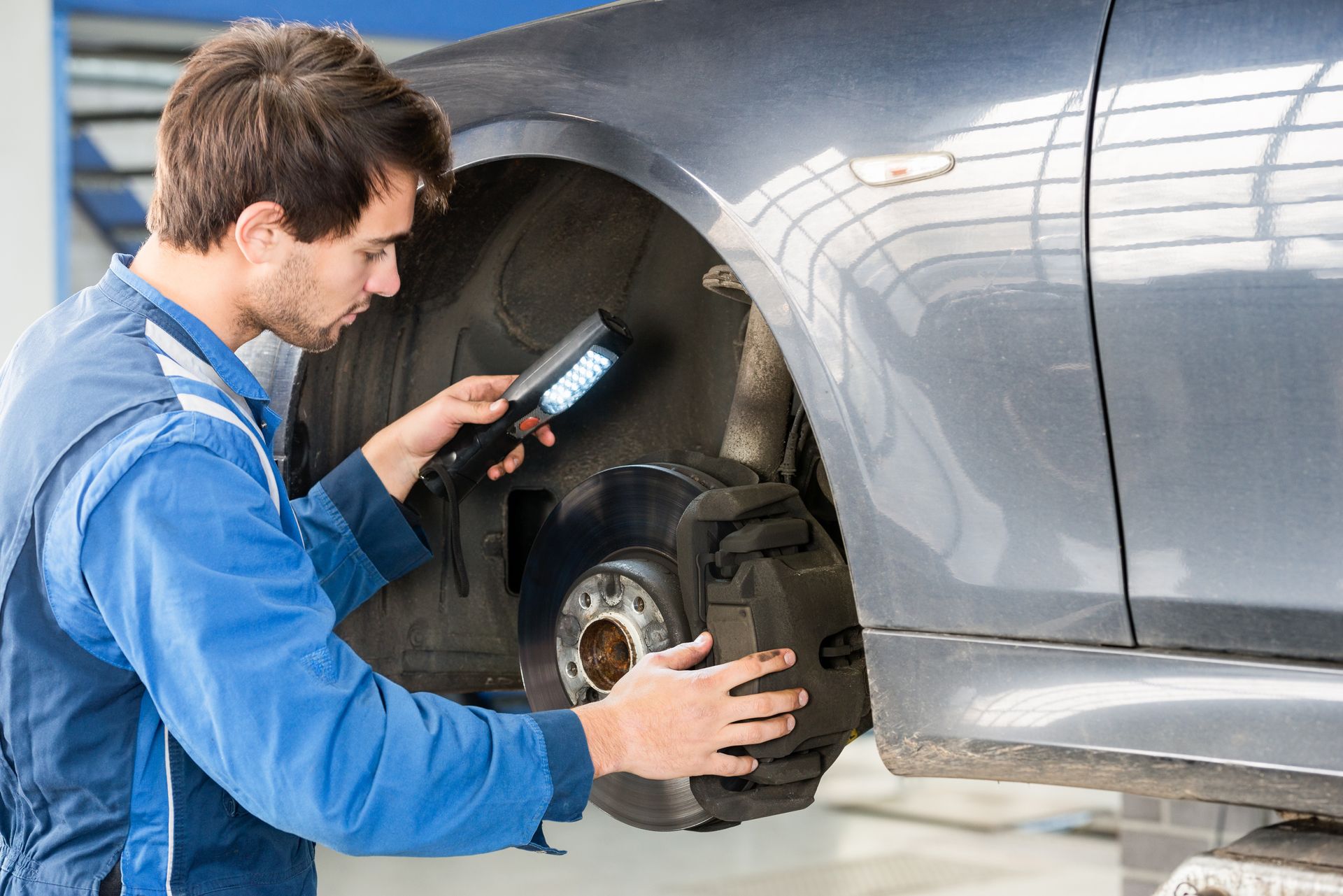
We can measure the tread depth, inspect the condition of the whole set, and help you choose the safest and most cost effective option for your car. Call us today or stop by to schedule a tire inspection.