
Skipping service does not trigger one sudden disaster the next morning. The engine will keep running, though the protection it depends on starts to fade in the background, and wear begins to accumulate in places you cannot see.
By the time the car feels rougher, louder, or less responsive, the damage has been building up for quite a while.
How Maintenance Delays Hurt The Engine Internally
Your engine depends on clean oil, proper cooling, strong ignition, and stable airflow to keep heat and friction under control. When service gets delayed too long, those systems stop supporting the engine the way they were designed to. Internal parts still move at high speed, though they do it with less protection and more contamination in the mix.
That is why neglected service affects much more than one fluid or one filter. The engine becomes a harsher place to operate. Heat rises, deposits build, lubrication gets weaker, and tolerances that were once tightly controlled start getting tested every time you drive.
Old Oil Stops Protecting Critical Parts
Engine oil has to lubricate moving parts, carry away heat, suspend contamination, and protect metal surfaces from direct contact. Once oil breaks down, gets dirty, or drops too low, that protection starts slipping away. Bearings, camshafts, timing components, and valvetrain parts all depend on a strong oil film to survive.
When that oil film weakens, friction goes up. That extra friction creates more heat, which breaks the oil down even faster. This is one of the main reasons overdue oil service causes damage that spreads instead of staying isolated to one part of the engine.
Sludge And Deposits Start Restricting Flow
Old oil does not just lose strength. It begins leaving sludge and varnish behind, and those deposits collect in places where clean oil needs to move freely. Once passages start narrowing and internal surfaces start coating over, the engine has a harder time delivering oil where it needs to go.
A few problems usually begin showing up from there:
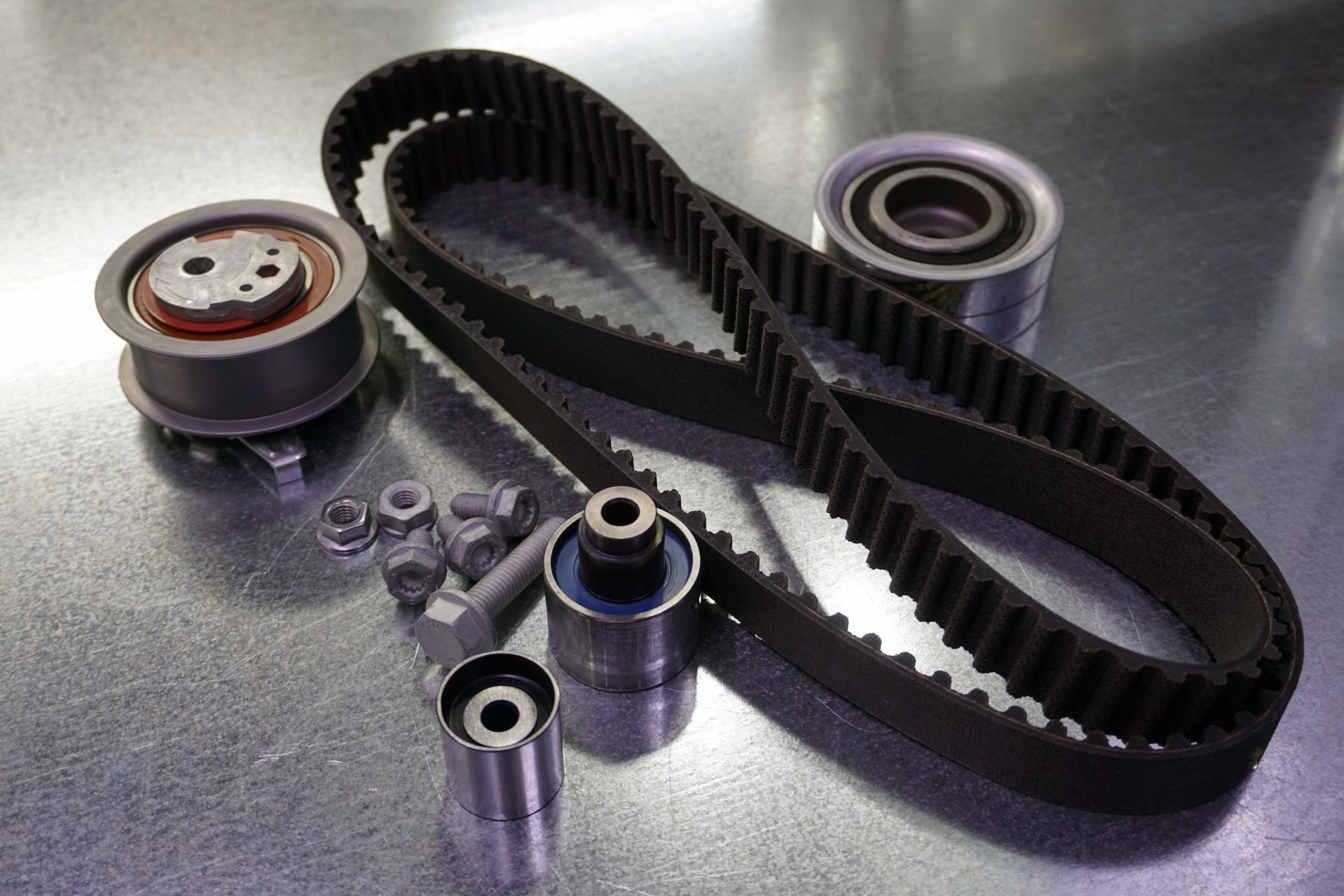
- Timing belts wear faster
- Upper engine parts receive less lubrication
- Heat builds in concentrated areas
- Oil return passages stop draining as cleanly
- Internal seals are exposed to harsher conditions
This is where overdue service starts changing the engine’s long-term health in a real way. What looked like a simple delay in maintenance has now turned into restricted flow and rising internal wear.
Combustion Gets Dirtier And Less Efficient
Skipped maintenance affects more than lubrication. Worn spark plugs, dirty air filters, carbon buildup, and neglected fuel system service all change how efficiently the engine burns fuel. At first, the difference may feel minor. The idle gets a little rougher, fuel economy starts slipping, and throttle response loses some sharpness.
Then the deposits keep building. Carbon collects on intake valves, combustion chambers, and other surfaces that should stay much cleaner. Once that happens, the engine has to work harder to produce the same performance, and rough running or hesitation usually starts creeping in.
Heat Starts Damaging More Than Just Oil
Engines already operate under intense heat, so they need every support system to do its job. When maintenance has been pushed too far, heat becomes harder to control inside the engine. Dirty oil, cooling system neglect, and combustion issues all contribute to increased operating stress.
This mainly affects:
Seals And Gaskets
Added heat hardens rubber and sealing materials faster, which often leads to oil leaks later.
Timing Components
Chains, guides, and tensioners wear faster when lubrication and temperature control slip.
Piston Rings
Excess heat and deposit buildup degrade sealing quality, increasing oil consumption and reducing efficiency.
These changes do not stay hidden forever. They usually turn into noise, oil consumption, leaks, or reduced performance once the wear builds up high enough.
Why The Damage Gets Expensive Fast
The biggest problem with overdue maintenance is that the wear compounds. Dirty oil increases friction. Friction increases heat. Heat hardens seals and stresses timing parts. Deposits restrict flow and make the next oil cycle even harsher on the engine. One neglected interval can influence much more than drivers expect.
That is why engines with a history of delayed service often develop several complaints at once. Instead of one clear repair, you end up with leaks, timing noise, poor performance, rising oil consumption, and heavier internal wear than the mileage alone would suggest. An inspection at the right time is much cheaper than trying to recover an engine that has been slowly wearing itself down.
What Good Vehicle Maintenance Prevents
Routine service protects parts you will never see directly, which is exactly why it is so valuable. Fresh oil helps hold a stable protective film. Clean filters reduce contamination. Timely spark plug and cooling system service helps the engine run cleaner and control heat more effectively.
Regular maintenance is not just about keeping the car running today. It is about helping the engine stay cleaner, quieter, and better protected over the long run. When service is done on time, small wear patterns are much easier to catch before they become expensive mechanical problems.
Get Engine Preventative Maintenance In Plainfield, IL, With Precision Diagnostics Inc
If your vehicle is overdue for service, Precision Diagnostics Inc in Plainfield, IL, can check the engine’s condition, perform a thorough inspection, and help you catch wear before it turns into bigger internal problems.
Bring it in now and give your engine a better chance at a longer, healthier life.