
Most people start thinking about AWD or 4x4 the moment traction gets unpredictable, wet on-ramps, packed snow, loose gravel, or a steep driveway that turns slick overnight. These systems can absolutely help you get moving and stay more stable, but they do not change the laws of traction. If the tires cannot grip, the vehicle cannot stop or turn the way you want.
They are traction tools, not magic.
AWD Vs 4x4: The Simple Difference
AWD, or all-wheel drive, is designed to work on mixed-road conditions and it can send power to all four wheels automatically. Many AWD systems use clutches and sensors to shift torque front to rear, and sometimes side to side, depending on wheel slip and driver demand. 4x4, or four-wheel drive, is typically found on trucks and body-on-frame SUVs with a transfer case and selectable modes like 2H, 4H, and 4L.
In practice, AWD is built for on-road grip changes, and 4x4 is built for lower-speed traction and tougher surfaces. Some modern vehicles blur the line, but the hardware and intent are still different.
What Traction Control Can and Cannot Do
Traction control and stability control work with AWD and 4x4, but they are separate systems. Traction control can reduce engine power and apply individual brakes to limit wheel spin. Stability control can brake specific wheels to help keep the vehicle pointed where the steering wheel is aimed.
What these systems cannot do is create a grip that is not there. If you are on ice with worn tires, the computer can only manage the slide, it cannot erase it. The better your tires and alignment, the more effectively these systems can help.
Where AWD And 4x4 Help Most In Real Driving
The biggest benefit is getting power to the tires that still have traction, instead of spinning one tire and going nowhere. AWD shines when conditions change quickly, like patchy snow, slush, and wet roads, where one side of the car has less grip than the other. 4x4 shines when traction is consistently poor, and you need a steady pull at low speed.
Here are situations where drivers feel the difference right away:
- Pulling away from a stop on snow, slush, or loose gravel
- Climbing a wet hill or a slick driveway
- Merging onto a highway in heavy rain where wheel spin can happen easily
- Driving on rutted dirt roads where one wheel unloads over bumps
- Backing out of a soft shoulder or a muddy parking spot
Even then, the goal is controlled movement, not aggressive speed. AWD and 4x4 help you maintain traction, but they do not shorten stopping distances.
The Limits: Tires, Braking, And Ground Clearance
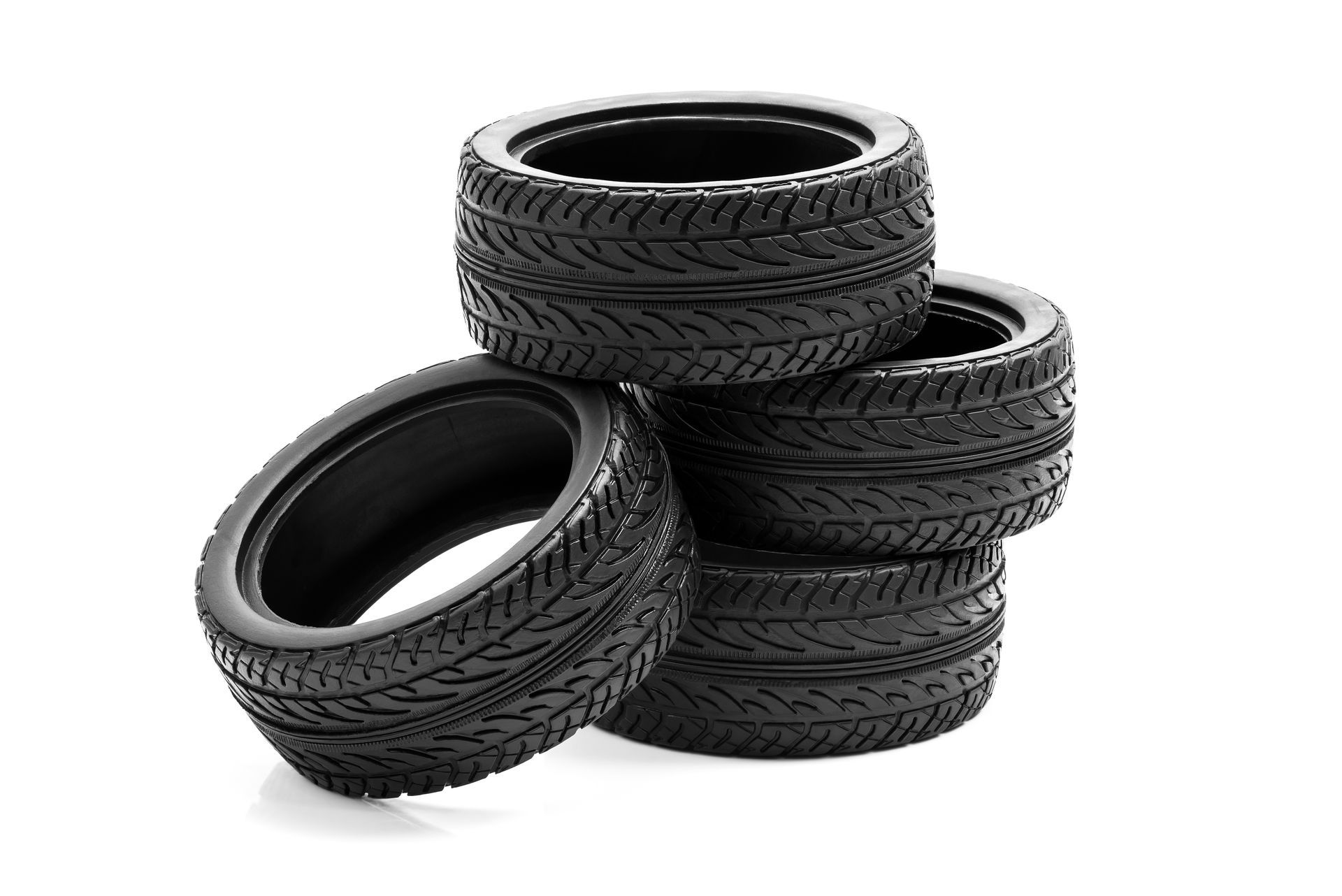
Tires are the true foundation. An AWD vehicle on worn all-seasons can be worse than a front-wheel drive car on proper winter tires when roads are cold and slick. Braking is another reality check, because AWD and 4x4 help you accelerate and maintain control, but the brakes and tires still determine how quickly you stop.
Ground clearance matters too. If the snow is deeper than the undercarriage, you can get high-centered and lose traction even with power going to all four wheels. The same goes for rough surfaces where a low bumper or underbody panel contacts the ground and unloads the tires.
What Happens Inside: Differentials, Transfer Cases, And Clutches
Power distribution depends on differentials and, on many 4x4 systems, a transfer case. A differential allows wheels to rotate at different speeds during a turn, preventing tire scrub and stress on driveline components. The downside is that an open differential can send power to the wheel that slips the least, so the vehicle may need brake-based traction control or a limited-slip differential to keep moving.
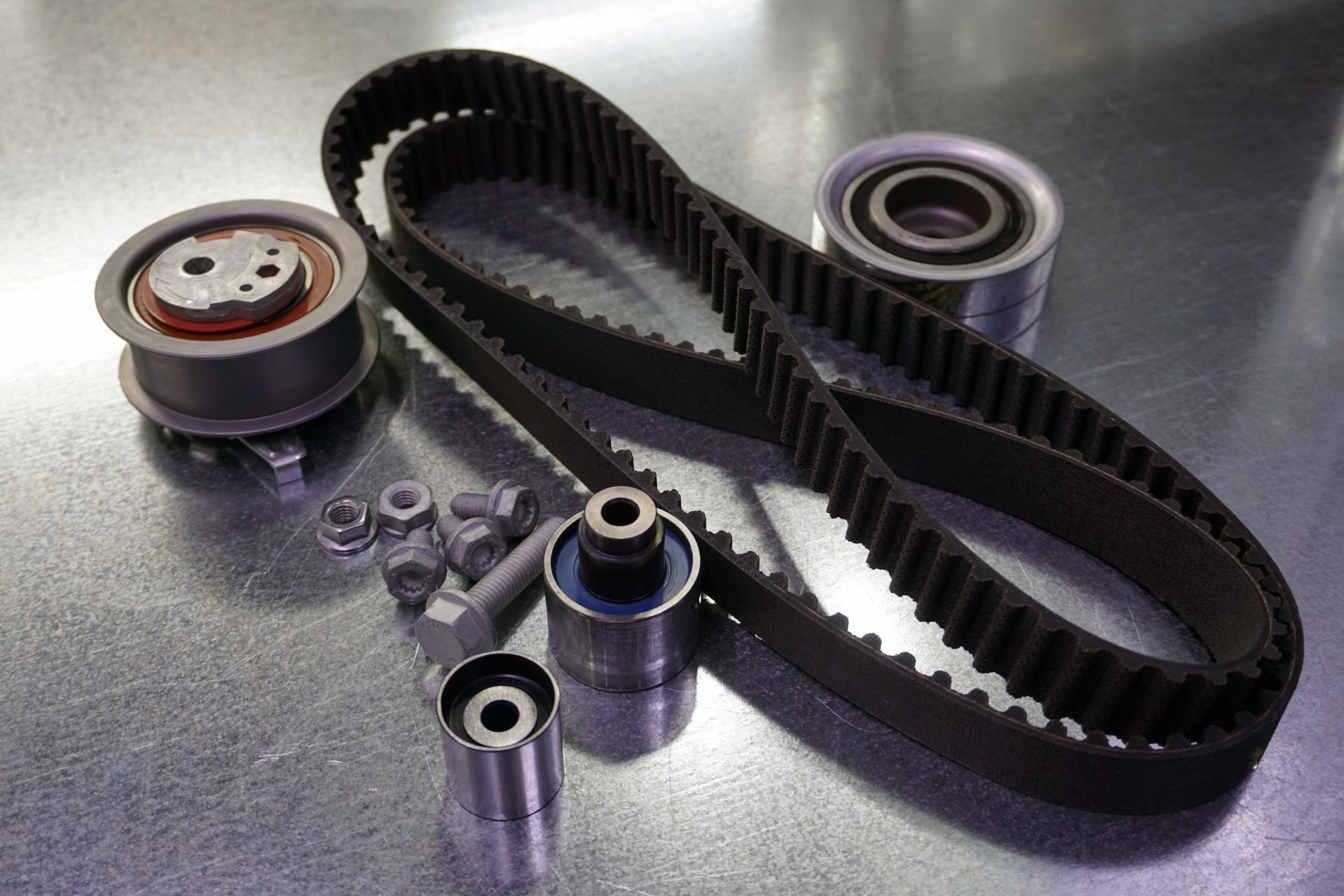
Many AWD systems use electronically controlled clutches to vary torque, and they rely on fluid condition, temperature control, and clean sensor inputs. Many 4x4 systems use a transfer case to mechanically split power, and 4L uses gearing to multiply torque at low speed for controlled crawling. These parts are tough, but they do not like mismatched tire sizes or running in the wrong mode on dry pavement.
Maintenance Items That Keep The System Reliable
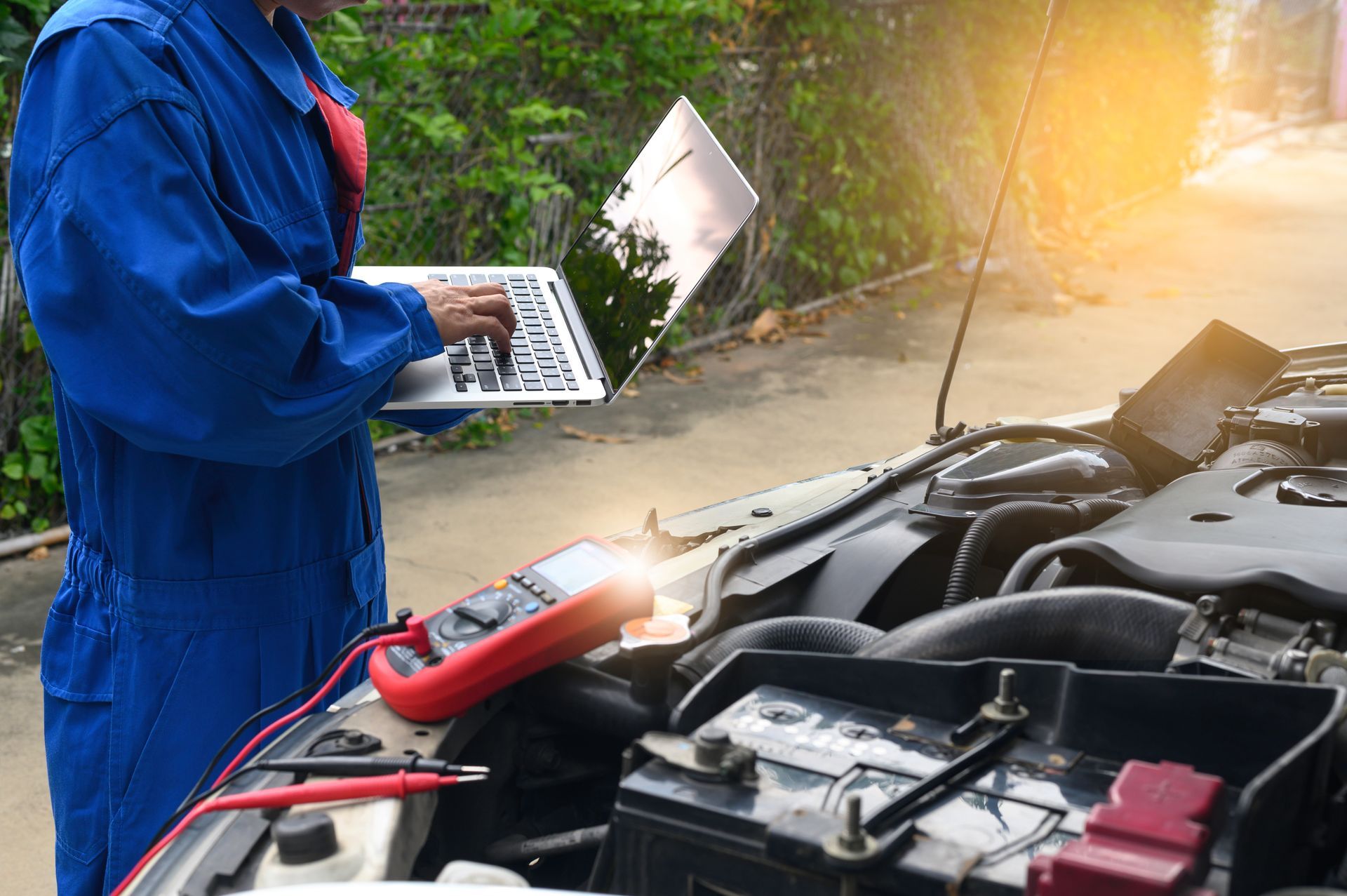
Regular maintenance is what keeps AWD and 4x4 from turning into a warning light problem. Fluid condition matters in transfer cases, differentials, and AWD couplers because heat and shear break fluid down over time. Tire matching matters, especially on AWD, because uneven tread depth can force the system to constantly compensate and create extra wear.
Pay attention to early signs like binding in tight turns, new whining at speed, shudder on acceleration, or a vibration that started after tire replacement. If something feels different, address it early, because driveline problems are cheaper when they are still small. The best time to check fluid levels, leaks, and tire wear patterns is before the season changes and the first storm hits.
Get 4x4 And AWD Service In Plainfield, IL With Precision Diagnostics Inc
If your AWD or 4x4 is binding, making noise, or not hooking up the way it used to, the next step is to confirm whether the issue is tires, fluid condition, a sensor input, or a driveline component that needs attention.
Schedule an inspection with
Precision Diagnostics Inc in Plainfield, IL, and we’ll pinpoint the cause and help you get your traction system working the way it should.