
An engine problem does not always walk in with smoke, noise, or a car that barely runs. Sometimes it starts as a small hesitation, a light on the dashboard, a rough, cold start, or a quiet drop in fuel mileage.
That is where good testing pays off.
A precision diagnostic is not just reading a code and naming a part. It uses scan data, live readings, pressure tests, visual checks, and road-test clues to identify the issue before it becomes a more expensive repair.
1. Early Misfires
A misfire means one cylinder is not burning fuel correctly. When it is bad, you feel shaking, jerking, or a rough idle. When it is early, the car may only stumble once in a while.
Diagnostic data can show misfire counts before the symptom becomes obvious. That gives the technician a chance to check spark plugs, ignition coils, injectors, wiring, vacuum leaks, or compression before the catalytic converter gets stressed by unburned fuel.
A small misfire is much cheaper to handle before it becomes a flashing check engine light.
2. Fuel Mixture Problems
The engine needs the right balance of air and fuel. If it runs too rich, it uses too much fuel. If it runs too lean, it has too much air or not enough fuel. Either one can create rough running, poor mileage, hesitation, or emissions trouble.
Fuel trim data helps tell the story. If the computer is constantly adding fuel, there may be a vacuum leak, a weak fuel pump, or unmetered air entering the engine. If it is pulling fuel away, a leaking injector or an inaccurate sensor reading could be involved.
We look at those numbers because they show what the engine is trying to correct.
3. Sensor Readings That Do Not Make Sense
Modern engines rely on sensors for almost everything. Coolant temperature, airflow, oxygen content, throttle position, cam timing, crankshaft position, and fuel control all depend on accurate information.
A sensor can be wrong without being completely dead. That is the tricky part. The car may still drive, but the computer may be making decisions based on bad information.
For example, if a coolant temperature sensor reports the engine as colder than it is, the computer may add too much fuel. That can hurt fuel economy, raise emissions, and make the engine run poorly.
4. Weak Fuel Pump Pressure
A weak fuel pump often shows up under load first. The vehicle may start and idle normally, but feel flat when merging, climbing a hill, or accelerating with passengers on board.
That is because the engine needs more fuel under demand. If pressure drops, the engine may hesitate, stumble, or run lean. Waiting too long can leave you with a no-start or a car that stalls at the worst time.
Fuel pressure testing helps separate a weak pump from ignition trouble, clogged injectors, sensor problems, or restricted airflow. The symptom may feel the same, but the repair is not.
5. Cooling System Trouble Before Overheating
An overheating engine is already late in the story. Before that, there may be smaller clues: a thermostat opening too slowly, a cooling fan that comes on late, coolant temperature readings that drift, or a reservoir level that keeps dropping.
A diagnostic inspection can compare temperature data with the cooling system's actual performance. That helps catch fan faults, thermostat problems, sensor issues, low coolant, or radiator flow concerns before the temperature warning appears.
Heat is where engine repairs get expensive fast. Catching cooling trouble early is worth it.
6. Timing And Variable Valve Timing Issues
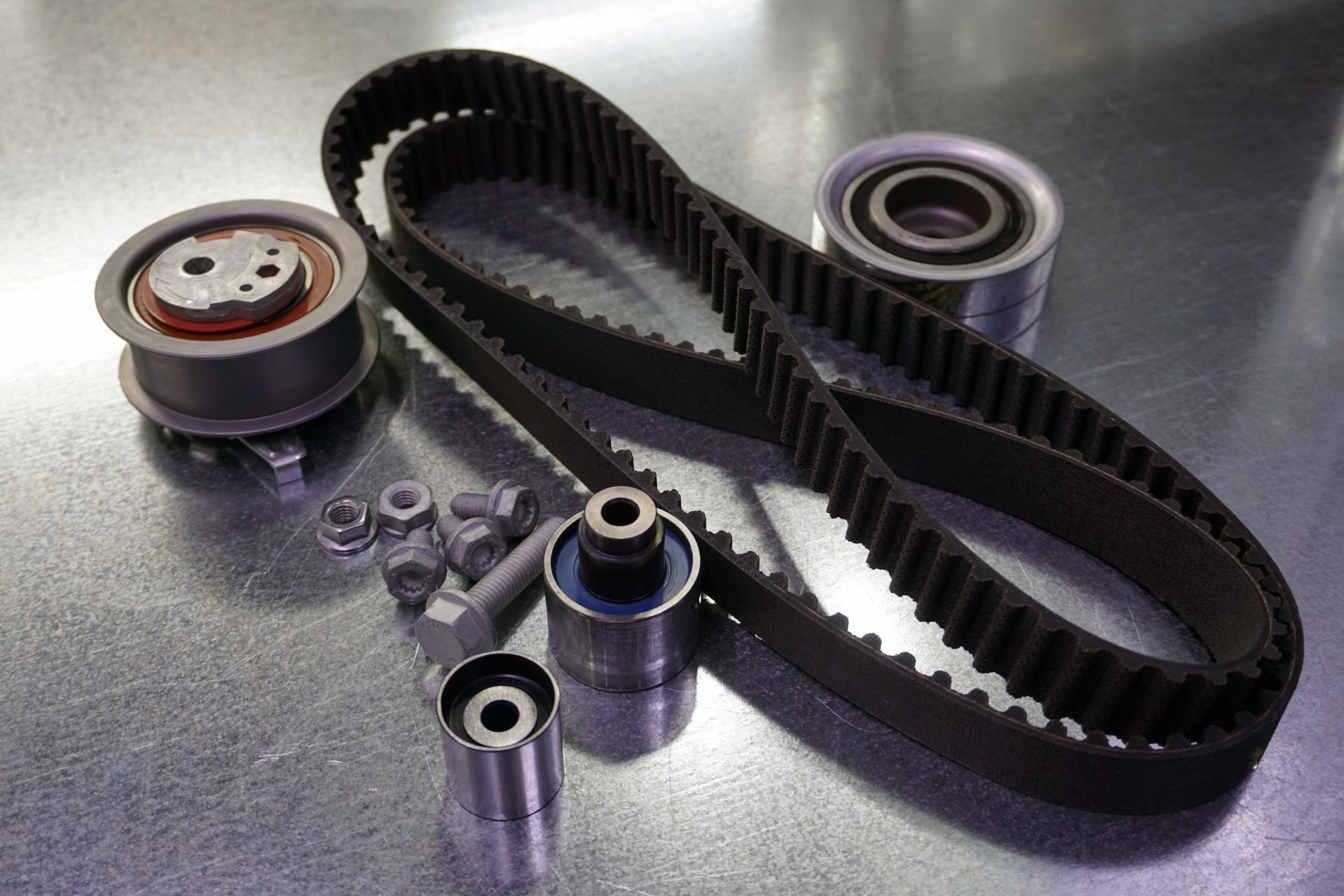
Many modern engines use variable valve timing to improve power, fuel economy, and emissions. These systems depend on clean oil, proper oil pressure, solenoids, sensors, and timing components that respond correctly.
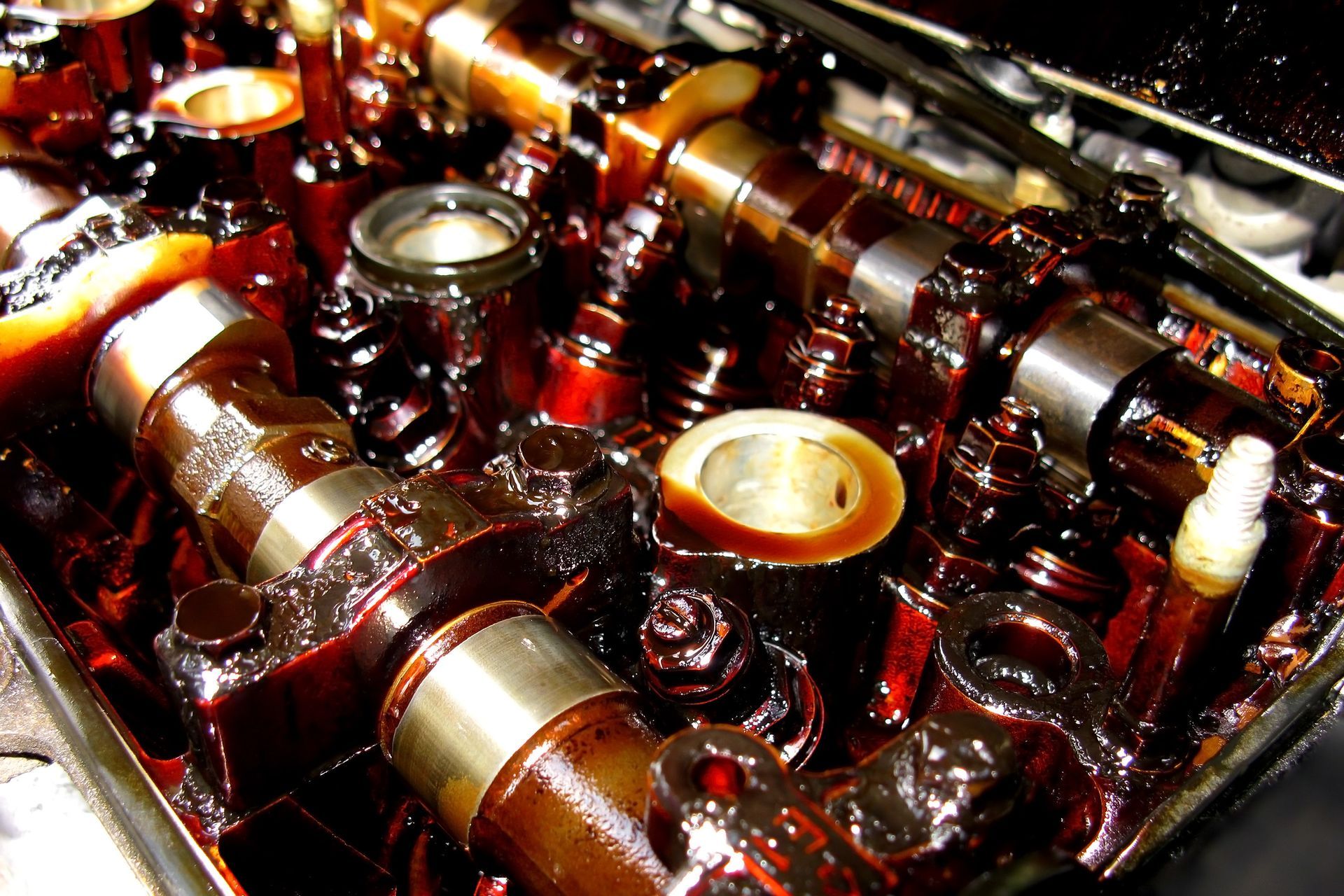
When something is off, the engine may rattle on startup, idle roughly, lose power, or turn on the check engine light with timing-related codes. Old oil can make these systems sluggish because small passages and oil-control parts need clean flow.
Regular maintenance helps, but scan data and testing can show whether the issue is oil condition, a solenoid, a sensor, chain wear, or something deeper.
7. Vacuum Leaks And Intake Air Problems
A vacuum leak can make the engine run lean, idle roughly, or hesitate when you press the gas. The leak may come from a cracked hose, intake boot, gasket, PCV hose, brake booster line, or loose connection.
These leaks can be small enough that you do not hear them. The computer notices first because fuel trims move out of range. A smoke test or careful intake check can find leaks that are easy to miss during a quick look.
Our technicians check airflow and vacuum clues before replacing sensors that are only reporting the problem.
8. Small Problems That Trigger Bigger Repairs
Some engine issues are not expensive at first. A worn spark plug. A small coolant leak. A dirty air filter. A weak battery is affecting the voltage. A minor oil leak near wiring or a belt. Left alone, they can drag other parts into the repair.
That is the main value of precision diagnostic work. It connects the symptom to the cause before the problem spreads. A code, a smell, a hesitation, or a small leak should not be treated as a mystery for months.
The car is giving information. The right testing turns it into an answer.
Get Engine Diagnostics In Plainfield, IL, With Precision Diagnostics Inc
If your vehicle has a check engine light, rough idle, hesitation, poor fuel economy, temperature concerns, or symptoms that come and go, Precision Diagnostics Inc in Plainfield, IL, can test the engine systems and find the cause.
Schedule a visit and get clear answers before a small engine issue becomes an expensive repair.