
Smaller engines used to mean better mpg, full stop. Today the answer depends on how and where a vehicle is driven. Turbos, direct injection, multi-speed transmissions, and hybrid systems changed the rules. In some situations, a small turbo four wins easily; in others, a larger, relaxed engine (or a hybrid) does better. Here’s clear, practical guidance.
Why Downsizing Helped in the First Place
Bigger engines waste more energy at light throttle because of pumping losses. A smaller engine working a bit harder reduces those losses and can operate in a more efficient window. Add a modern turbo and full-throttle power returns when needed.
Around town with gentle starts, a small turbo engine often runs leaner and spends more time in tall gears, which shows up as better mpg.
Where Small Turbos Give Back the Savings
Load changes the math. Long hills, fast cruising, headwinds, roof boxes, or a full cabin push a small engine into boost more often. Under boost, many engines enrich the mixture to control heat, which increases fuel use.
The telltales are frequent downshifts, higher revs, and a busier feel at steady speed. In those moments, real-world mpg can match or trail a larger engine that is barely working.
Gearing, Weight, and Aerodynamics Matter More Than Badges
Two vehicles with the same displacement can return very different economy:
- Short gearing that keeps revs high hurts mpg.
- Added curb weight from all-wheel drive, larger wheels, or towing packages raises fuel consumption.
- Aerodynamics is a quiet thief at 70 mph; a bluff front, crossbars, or a tall profile can erase any engine advantage.
- When comparing models, axle ratios, tire size, vehicle mass, and drag often matter as much as cylinder count.
Direct Injection, Cylinder Deactivation, and Hybrids
Technology can beat displacement. Some V6 and V8 engines shut off cylinders during light cruise, dropping pumping losses to small-engine levels without the small engine’s strain under load. Hybrids go further by turning the engine off in traffic and using electric assist to handle the least efficient slice of acceleration.
For mostly suburban driving, a hybrid four often outperforms both a small turbo and a larger non-hybrid.
When Smaller Usually Wins
- Commutes with gentle starts, light loads, and speeds under 60 mph
- Flat routes with few long hills or headwinds
- Drivers who use Eco modes and keep throttle inputs smooth
- In these conditions, small turbo fours commonly exceed their window-sticker mpg once tires and pressures are set correctly.
When a Larger Engine Can Match or Beat It
Steady highway speeds, towing, mountain grades, or frequent headwinds push a small engine out of its sweet spot. A larger naturally aspirated engine can “loaf” in a tall gear without boost or enrichment. Expect calmer revs, fewer downshifts, and stable efficiency.
For long interstate runs with gear on the roof, or occasional light towing, the bigger engine’s real-world mpg may surprise you.
Maintenance Habits That Protect Economy
- Replace air filters on time; restricted airflow raises fuel use.
- Use the correct oil grade; the wrong viscosity increases friction.
- Keep spark plugs fresh so combustion stays clean.
- On small turbos, follow oil intervals carefully and warm up gently to protect the turbo.
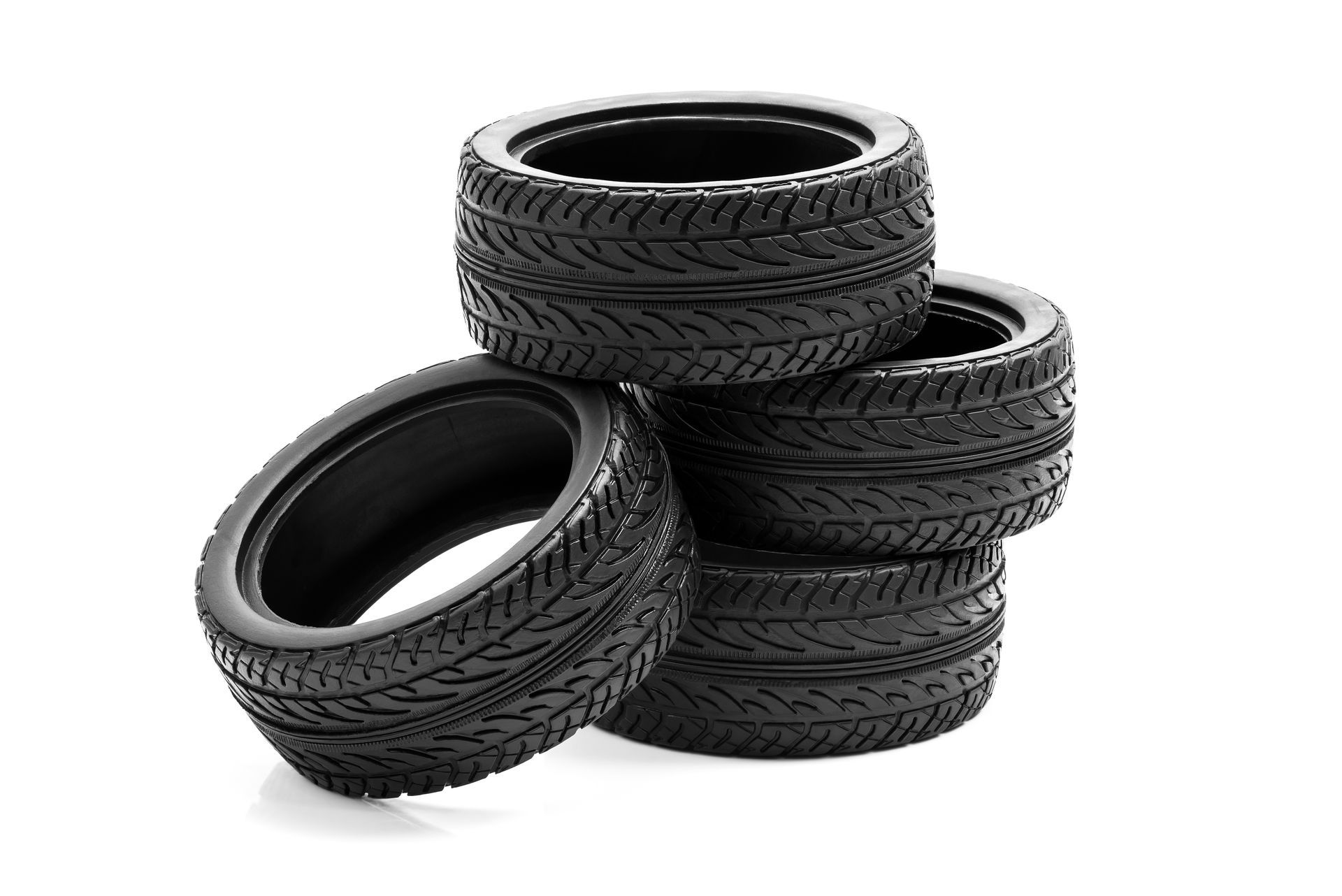
- Set tire pressures to the driver-door placard and recheck after temperature swings.
- Choose drive modes that hold higher gears on your route; one or two mpg can be gained without changing driving style.
Get Real-World Fuel Economy Help in Plainfield with Precision Diagnostics Inc
If you want better mpg without guesswork, stop by our Plainfield shop. We’ll check tires and pressures, review maintenance items that affect efficiency, and look at your daily route to suggest the right setup for your driving.
Schedule a visit and leave with a clear plan to save fuel and keep the car running strong.